

Journal prompts work best for middle schoolers when they feel personal, low-pressure, and easy to answer in a few minutes. Middle school is a season of big changes: new friendships, harder classes, and a lot of new feelings. These 43 prompts give students a safe, simple place to sort through it all.
Teachers can use them as bell-ringers. Parents can use them at the kitchen table. Students can use them alone in a notebook.
What are good journal prompts for middle school?
Good journal prompts for middle school are specific, age-appropriate, and open-ended enough to invite honest answers. They ask about real experiences friendships, school, hobbies, goals instead of abstract ideas. Strong prompts feel emotionally safe, never force students to share something painful, and can be answered in three to five minutes.
Everyday Life and School Journal Prompts
These prompts are quick warm-ups. They work well as a five-minute bell-ringer or a start-of-class routine.
- What was the best part of your school day today? 🎒
- Which class makes time go by fastest, and why? ⏰
- What is one thing you wish adults understood about being your age? 💭
- Describe your ideal school day from start to finish. 🌤️
- What subject feels hardest right now, and what would make it easier? 📚
- If you could add one new class to your school, what would it teach? 🧪
- What is one small habit that makes your mornings better? ☀️
- Write about a time you helped someone at school. 🤝
- What does your perfect weekend look like? 🛹
- What is something you finished recently that took real effort? 🏁
Friendship and Family Journal Prompts
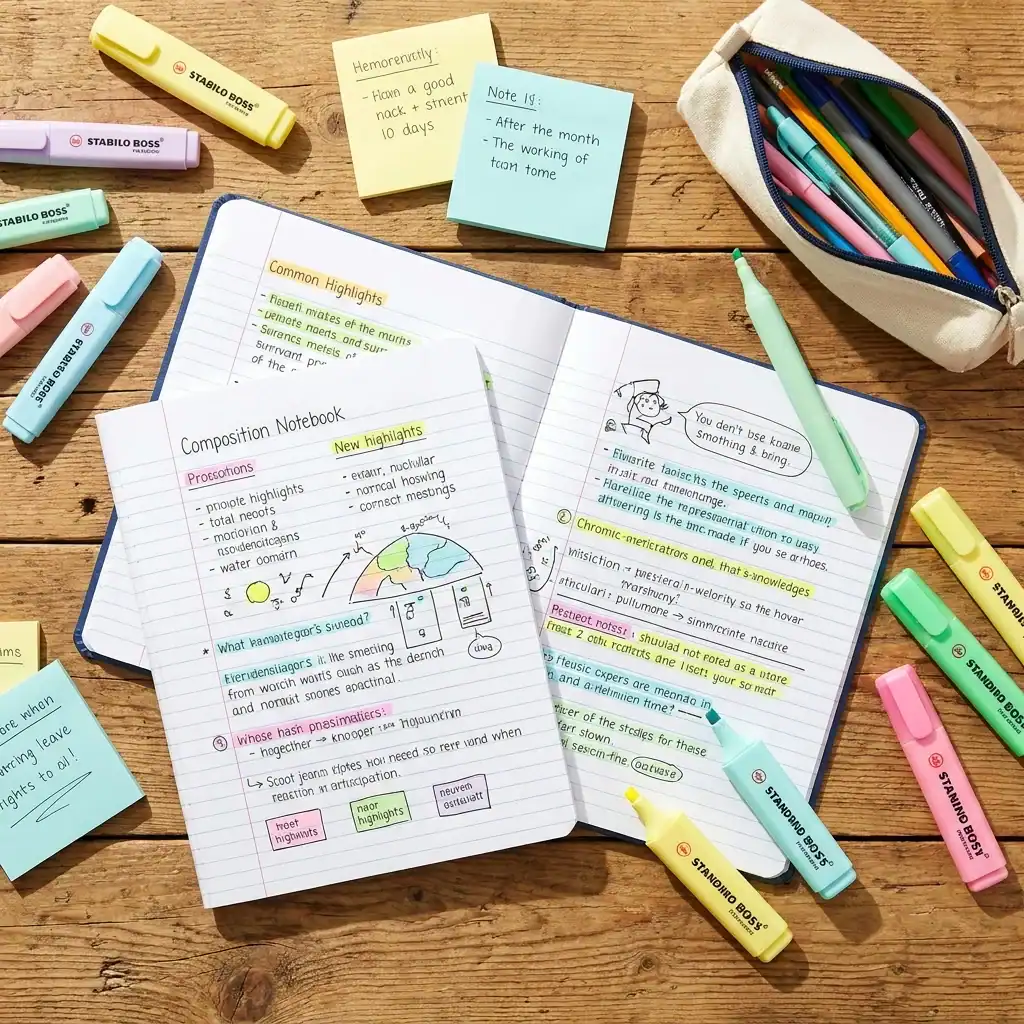
These prompts go a little deeper. They help students think about the people around them without putting anyone on the spot.
- What makes someone a good friend to you? 💛
- Write about a time a friend made your day better. 🌈
- What is one thing you appreciate about someone in your family? 🏡
- How do you know when you can trust someone? 🔐
- Describe a tradition your family has, big or small. 🎉
- What is a fair way to handle a disagreement with a friend? ⚖️
- Write about someone older than you who you look up to and why. 🌟
- What is one thing you would like your friends to know about you? 📣
- How do you cheer up someone who is having a rough day? 🫂
- Write about a time you had to say sorry and what you learned. 🕊️
Feelings and Self-Reflection Journal Prompts
These prompts are reflective, not personal-crisis prompts. They invite students to notice feelings without needing to explain everything.
- What is one word that describes how you feel today? 🌿
- What helps you calm down when you feel frustrated? 🌊
- Write about a time you felt genuinely proud of yourself. 🏆
- What is something you used to worry about that feels smaller now? 🍃
- What makes you feel most like yourself? 🪞
- Describe a place where you feel completely relaxed. 🌅
- What is one kind thing you could say to yourself right now? 💌
- When do you feel most confident? ⚡
- What is one thing you are still figuring out about yourself? 🧭
- Write about a change you have noticed in yourself this year. 🌱
Imagination and Creative Writing Prompts
These prompts bring in creative middle school writing prompts. They are great for students who freeze up on personal questions.
- Invent a brand-new holiday and describe how people celebrate it. 🎈
- You wake up with one new superpower for 24 hours. What is it? 🦸
- Write the opening paragraph of a mystery set in your school. 🔍
- Describe a city built entirely underwater. 🌊
- If your pet could talk for one hour, what would it say? 🐾
- Write a letter from your future self at age 25. ✉️
- Design a new app that solves a problem in your daily life. 📱
- Tell a short story where the villain turns out to be right. 🎭
Goals and Looking Ahead journal prompts for middle school
These prompts close the list with forward motion. They work well at the start of a semester or a new month.
- What is one skill you want to get better at this year? 🎯
- What does “success” mean to you right now? 🌠
- Describe a goal you have that no one knows about yet. 🤫
- What is one small step you could take this week toward something you want? 👣
- What do you hope you remember about middle school ten years from now? 📖
How Teachers, Parents, and Students Actually Use These Prompts
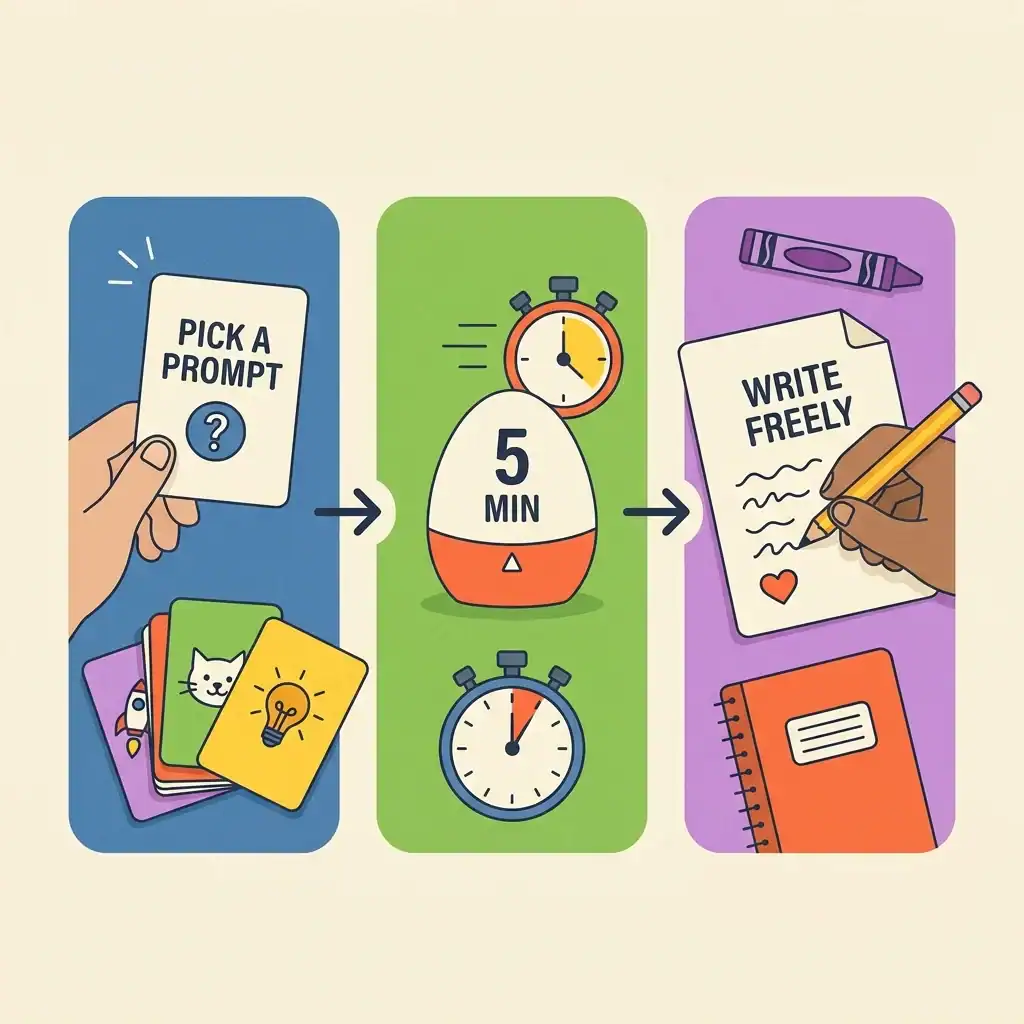
In most classrooms, journal prompts for middle school show up as a five-minute opener. Students write while attendance is taken, then class begins. Teachers often use a single prompt for a whole week so students can go deeper each day.
Some schools build prompts into a morning meeting or advisory block. Others fold them into interactive notebooks, where students glue in prompts alongside class notes. At home, parents sometimes use a shared back-and-forth journal, writing a short reply under their child’s entry. That format lowers pressure because it feels like a conversation, not an assignment.
Students journaling on their own often lean toward bullet journaling or simple one-line entries. Short entries are still real entries.
What Makes a Journal Prompt Good for Tweens
A strong prompt is specific. “Write about your day” is vague, while “What was the best part of your school day today?” gives a clear starting point.
It also needs emotional safety. Good journal prompts for tweens never require a student to reveal something private or painful. They invite honesty without demanding it.
Finally, good prompts are answerable in a few minutes. Middle school attention spans and class schedules both run short. A prompt that takes an hour won’t get used twice.
A quick note: journaling is a reflective practice, not a substitute for professional mental health support. If a student seems to be struggling in a way that goes beyond a hard week, a school counselor or qualified professional is the right next step.
FAQs journal-prompts-for-middle-school
Near conclusion

Middle school moves fast. A notebook gives students one quiet place where nothing is being graded, and no one is watching.
You don’t need all 43 prompts. Pick one that catches your eye, set a timer for five minutes, and write. If you are a teacher, try a single prompt tomorrow morning and see how the room responds. If you are a parent, write your own answer next to your child’s and trade notebooks.
The first entry is usually the hardest, and it is also usually the shortest. That’s fine. A few honest sentences today beat a perfect page that never gets written. Open the notebook and start there.