

Journal prompts for high school English class work best when they mix personal reflection with real writing skill-building. A strong prompt gets students writing within the first two minutes of class, with no long explanation needed.
What are good Journal Prompts for High School English?
Good journal prompts for high school are specific, open-ended questions that respect a teenager’s ability to think critically. They avoid childish framing, connect to real experiences or reading material, and never demand a single “correct” answer. The best journal prompts for high school balance personal reflection with the kind of thinking that builds stronger writers.
Personal Reflection Journal Prompts for High School

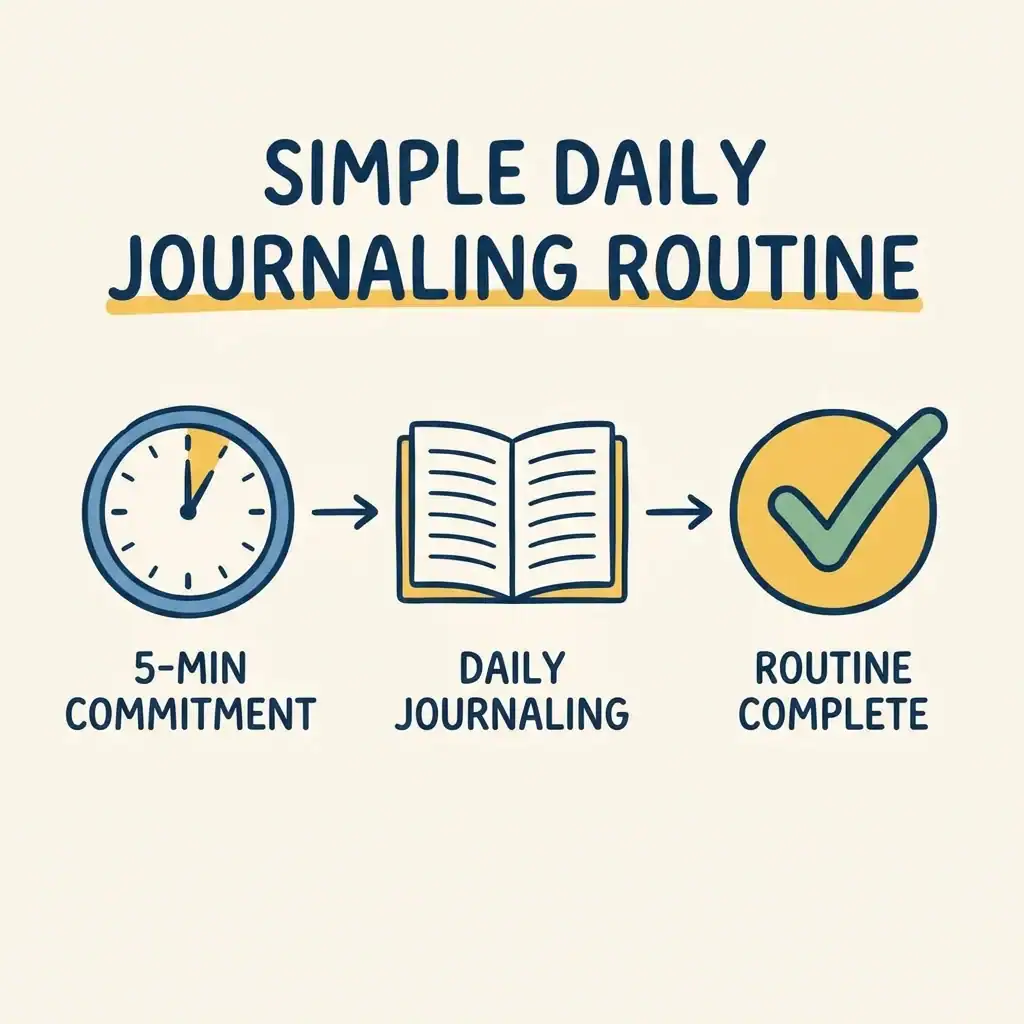
These Journal Prompts for High School English work well as a five-minute warm-up at the start of class, giving students a low-stakes way to start writing before the lesson begins.
- Describe a moment this week when you changed your mind about something. 🔄
- What is one skill you have gotten better at this year? 📈
- Write about a time you disagreed with someone you respect. 💬
- What does “success” mean to you right now, at this point in your life? 🎯
- Describe a habit you want to build or break this semester. 🌱
- What is something you believed as a kid that you no longer believe? 🧠
- Write about a time you felt out of place, and how you handled it. 🌊
- What is one piece of advice you would give your younger self? ✉️
- Describe a person who has influenced how you think. 🧭
- What does a typical Sunday look like for you, in detail? 🗓️
Literature and Reading Response Journal Prompt

These Journal Prompts for High School English pair well with whatever novel, play, or short story a class is reading. Many teachers assign one after each reading section as a quick comprehension and reflection check.
- Pick one character from your current reading and explain a decision they made. 📖
- What would you have done differently if you were the main character? 🎭
- Write a short letter to a character from your current reading assignment. ✍️
- What theme keeps showing up in what you are reading right now? 🔍
- Describe a scene from your reading that surprised you, and explain why. 😲
- If you rewrote the ending of your current book, what would change? 📕
- What line or quote from your reading has stuck with you this week? 💭
- Compare a character’s problem to something a real person might face today. 🔗
- What setting from your current reading would you want to visit? 🗺️
- Explain why a character’s choice felt believable or unbelievable to you. 🤔
Creative and Opinion Journal Prompts
These Journal Prompts for High School English push students toward original thinking and argument-building, which many teachers use before a persuasive or creative writing unit.
- What is one rule at your school you would change, and why? 📋
- Write about a technology you think will look outdated in ten years. 📱
- If you could add one class to the school schedule, what would it be? 🏫
- Describe a world where everyone had to tell the complete truth, always. 🗣️
- What is one opinion you hold that most of your friends disagree with? 🎈
- Write the opening paragraph of a story that starts with a storm. ⛈️
- What invention do you think has changed daily life the most, and why? 💡
- If you had to teach one lesson to the whole school, what would it be? 🎓
- Describe your ideal version of a “perfect” school day, from start to finish. ☀️
How Teachers Actually Use These Prompt

Many English teachers open class with a five-minute journal warm-up, giving students time to settle in before the day’s lesson starts. Others assign a prompt as a closing “exit ticket,” which checks understanding right after a reading discussion.
Some classrooms use a version of dialectical journaling, where students write a quote on one side of the page and their reaction on the other. Others lean on response journaling, pairing a reading assignment with a short reflective prompt like the ones above.
Free-writing, where a student writes without stopping for a set time, works well for warm-ups focused on personal reflection rather than literature. A simple writer’s notebook approach, where students keep one running notebook all semester, helps build a writing habit over an entire school year.
What makes a journal prompt good for this age group is specificity paired with respect for a student’s own opinions. A strong prompt gives a clear starting point without forcing one “correct” emotional response.
This kind of regular reflective writing can support stronger classroom writing habits over time. Journaling is a reflective practice, though, not a substitute for professional mental health support. A school counselor is the right resource if a student’s writing raises ongoing concern about their well-being.
FAQs
Conclusion
Pick a single prompt from this list and give students five quiet minutes to write. A short, low-pressure entry builds more writing confidence than one long, intimidating assignment ever will.
Rotate between personal reflection, reading response, and opinion prompts to keep the routine fresh across the semester. Let students know there is no single “right” answer, and watch how quickly a notebook page fills up. Start with one prompt tomorrow, and build the habit from there.