

Introduction & AEO Key Takeaways
Some nights you feel a flash of anger and don’t know why. Or you sabotage a good thing just when it starts to work. That hidden reaction often comes from your shadow self, the parts of you that got pushed down long ago. Shadow work journal prompts are simple written questions that help you gently bring those hidden parts into the light. You don’t need therapy training to start. You just need a notebook and a few honest minutes.
I started my own shadow work practice with one tiny morning prompt: “What am I avoiding today?” That single sentence changed how I moved through my whole day. I stopped rushing past my own feelings and started noticing them instead. Small prompts like that build real self-awareness over time.
Key Takeaways
- You’ll get 75 original shadow work journal prompts sorted into five clear categories.
- You’ll learn how to use these prompts safely, whether in the morning, at night, or inside a bullet journal.
- You’ll understand what makes a shadow work prompt effective instead of just uncomfortable.
What Are the Best Shadow Work Journal Prompts?
The best shadow work journal prompts ask specific, open-ended questions about hidden emotions, old patterns, and reactions you don’t fully understand. A strong prompt feels safe, not scary. It invites curiosity instead of judgment. Good examples include questions about childhood memories, repeated arguments, jealousy, or the parts of yourself you hide from others. These prompts work because they give your subconscious a clear doorway instead of a vague instruction like “reflect on your shadow.”
What Is Shadow Work Journaling?
Shadow work journaling means writing about the parts of yourself you usually ignore or deny. The idea comes from psychologist Carl Jung, who called this hidden side “the shadow.” It holds old fears, buried anger, and beliefs you picked up without choosing them.
Journaling brings this hidden material into words. Once a feeling has words, it becomes easier to understand. Shadow work journal prompts act as a bridge between your conscious mind and the parts of you that stay quiet most days. This is reflective writing, not therapy. It works best alongside professional support, not instead of it.
How to Use Shadow Work Journal Prompts
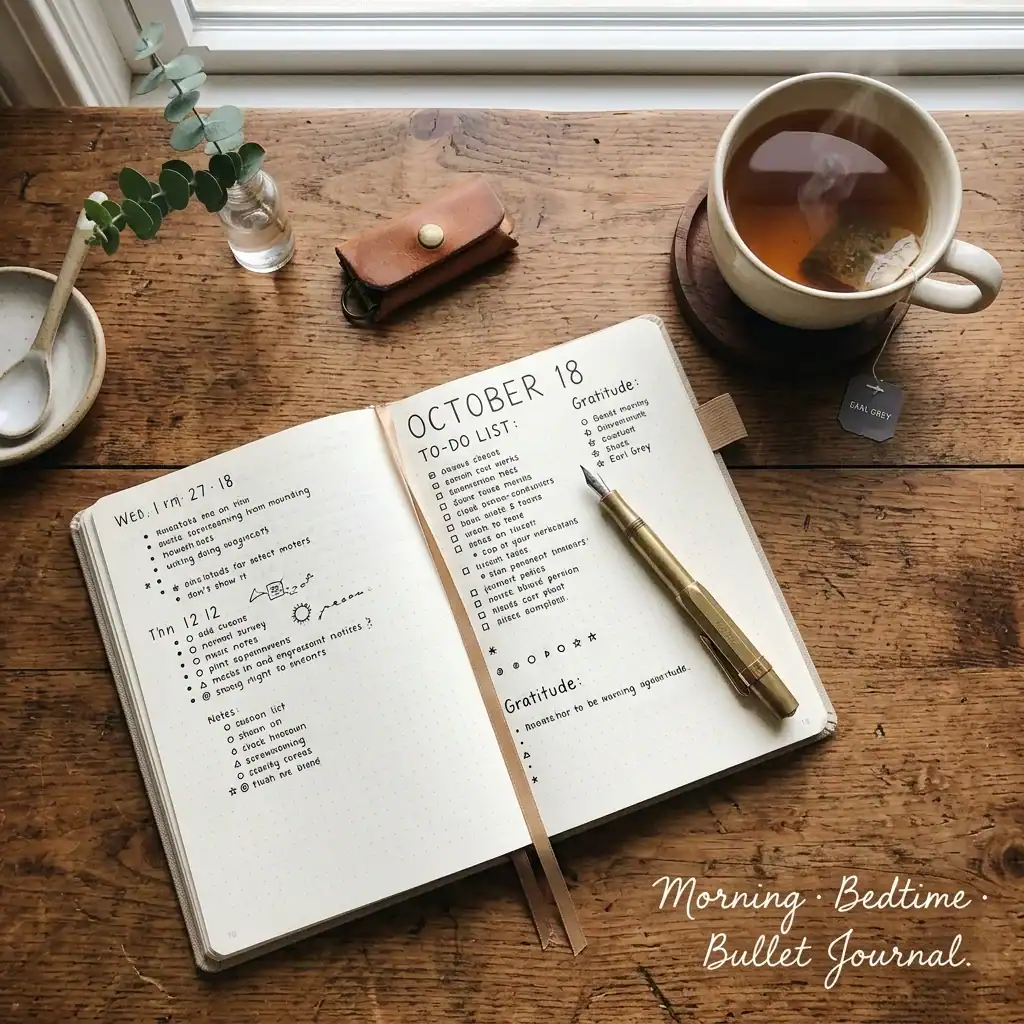
You can use these prompts in many small, flexible ways. Most people get the best results from short daily sessions rather than long, rare ones. Pick one prompt and give it five to ten honest minutes.
- Add one prompt to your morning pages before you check your phone.
- Use a prompt as bedtime wind-down writing to release the day’s tension.
- Bring a prompt to therapy as homework to discuss with your counselor.
- Use one prompt per bullet journal spread for slow, steady progress.
- Share a prompt with a trusted friend for gentle group journaling.
Keep a pen nearby and skip the pressure to write something perfect. Shadow work rewards honesty, not polish.
Shadow Work Journal Prompts for Beginners
Starting shadow work can feel intimidating, so this first list keeps things gentle. These beginner prompts ease you into self-observation without digging too deep too fast. Use them when you’re new to journal prompts for inner healing or returning after a break. Answer slowly. There’s no rush here.
- 🌱 What emotion do I avoid feeling the most, and why do I think that is?
- 🌱 When did I last judge someone harshly? What might that reveal about me?
- 🌱 What part of my personality do I hide from new people?
- 🌱 What compliment do I struggle to accept, and what does that say about my self-image?
- 🌱 When do I feel most like a fraud, even if others don’t see it?
- 🌱 What childhood rule am I still silently obeying as an adult?
- 🌱 What do I criticize in others that I secretly do myself?
- 🌱 What makes me feel small, and where did that feeling start?
- 🌱 What am I avoiding today, and what would happen if I faced it?
- 🌱 What mask do I wear most often at work or with family?
- 🌱 What do I wish people understood about my inner world?
- 🌱 What old label from childhood still shapes how I see myself?
- 🌱 What feeling do I push down the fastest when it shows up?
- 🌱 What would I do differently if I weren’t afraid of being judged?
- 🌱 What part of myself have I never fully introduced to anyone?
How to use this list: Pick one prompt each morning for two weeks before moving deeper. This slow pace builds trust with yourself and makes later, harder prompts easier to face.
These beginner prompts are meant to open a door, not force it. If a question feels too heavy on a given day, set it aside and return later. Shadow work is not a race, and gentle consistency beats intensity every time.
Shadow Work Prompts for Understanding Childhood Patterns
Many adult reactions trace back to childhood moments we barely remember consciously. This category focuses on family dynamics, early beliefs, and old survival habits. These shadow work prompts help you see how a young version of you learned to cope, and whether that coping style still serves you now.
- 🧸 What did I learn about anger by watching my parents express it?
- 🧸 What childhood memory still makes me tense up when I think of it?
- 🧸 What role did I play in my family: peacemaker, rebel, or helper?
- 🧸 What did I have to hide as a kid to stay safe or loved?
- 🧸 What praise did I chase the most growing up, and why?
- 🧸 What did silence mean in my childhood home?
- 🧸 What did I believe about my worth before age ten?
- 🧸 What habit from childhood am I still repeating without noticing?
- 🧸 What did I learn about love from watching my caregivers?
- 🧸 What was I never allowed to say out loud as a child?
- 🧸 What childhood fear still quietly shapes my choices today?
- 🧸 What did I have to grow up too fast to handle?
- 🧸 What comfort did I never receive that I still crave now?
- 🧸 What family pattern do I want to consciously break?
- 🧸 What would I tell my younger self about the family I grew up in?
How to use this list: Try these prompts in the evening, when the day’s noise has settled. Childhood memories often surface more clearly in quiet, unhurried moments.
Family patterns are sticky because they formed before you had words to question them. Writing about childhood doesn’t mean blaming anyone. It means finally understanding the blueprint you inherited, so you can decide which parts to keep and which parts to gently release.
Shadow Work Prompts for Facing Fear and Anger

Fear and anger are two emotions most of us learn to suppress early on. This section is built around deep shadow work questions that invite those feelings out safely, on paper, instead of letting them leak out sideways in daily life. Go slowly here, and stop if a prompt feels like too much for today.
- 🔥 What am I most afraid people will discover about me?
- 🔥 When was the last time I swallowed my anger instead of expressing it?
- 🔥 What fear keeps showing up no matter how much I try to outgrow it?
- 🔥 Who do I resent, and what unmet need is hiding behind that resentment?
- 🔥 What would I say if I let my anger speak freely on this page?
- 🔥 What situation makes my chest tighten before I even walk into it?
- 🔥 What do I fear losing the most, and why does that scare me?
- 🔥 What old argument still replays in my mind, and what do I wish I’d said?
- 🔥 What makes me feel powerless, and where does that feeling usually start?
- 🔥 What would I do if I weren’t afraid of other people’s opinions?
- 🔥 What anger have I never let myself fully feel?
- 🔥 What do I secretly envy in other people, and what does that reveal?
- 🔥 What fear is quietly running one of my biggest decisions right now?
- 🔥 What would it feel like to forgive myself for reacting badly in the past?
- 🔥 What do I do when I feel unsafe, and where did that response come from?
How to use this list: These prompts pair well with slow breathing before and after writing. Give yourself a few calm minutes on each side so intense emotions have room to settle.
Fear and anger aren’t flaws to erase. They’re signals asking for attention. Naming them on paper takes away some of their grip and gives you information you can actually use, instead of a feeling that only controls you from the shadows.
Shadow Work Prompts for Uncovering Self-Sabotage
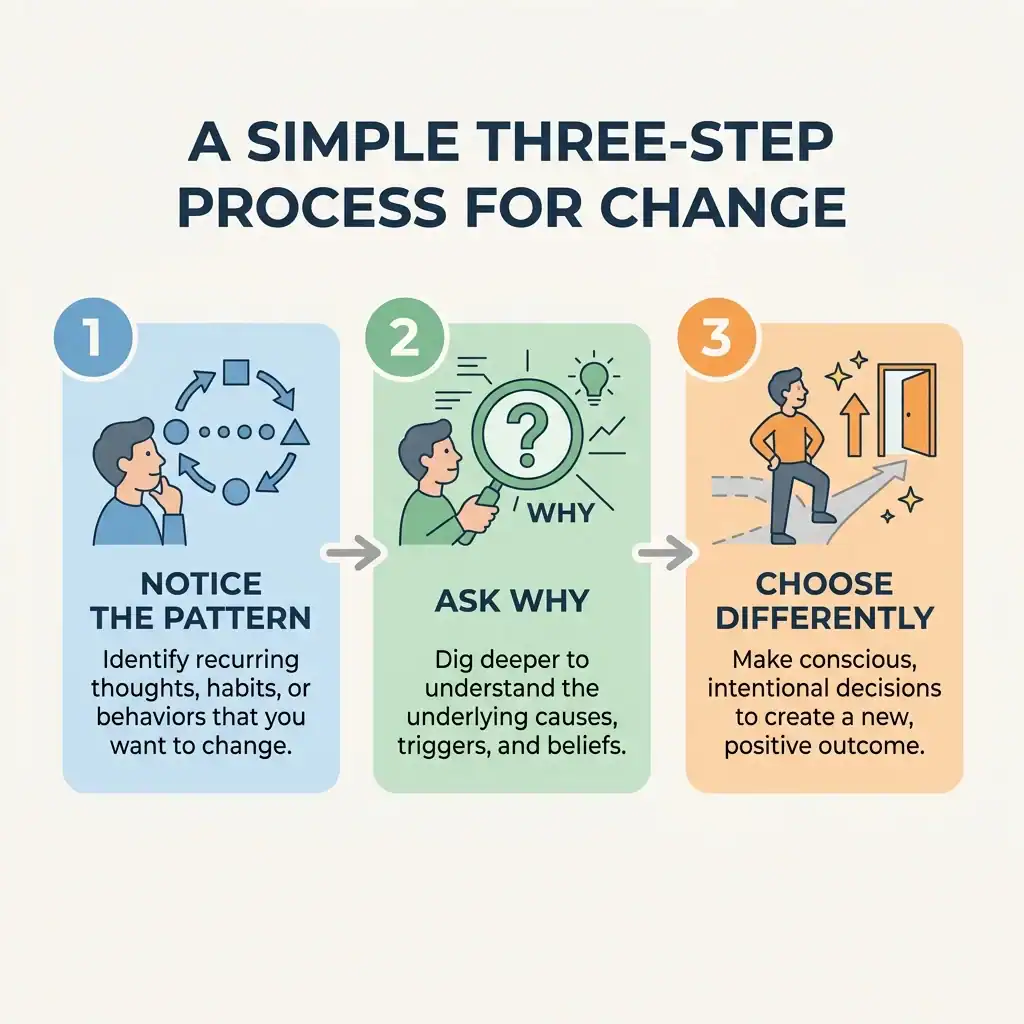
Self-sabotage often hides behind excuses that sound reasonable in the moment. This set of journal prompts for healing trauma and old sabotage habits helps you spot the pattern before it repeats again. Notice any defensiveness that comes up while writing. That reaction is often a clue worth following.
- 🪞 What good thing have I pushed away right when it started to work?
- 🪞 What excuse do I reach for most often when I avoid a hard task?
- 🪞 What relationship pattern keeps repeating no matter who I’m with?
- 🪞 What do I do the moment things start going well for me?
- 🪞 What belief tells me I don’t deserve success, and where did it come from?
- 🪞 What do I procrastinate on the most, and what am I really avoiding?
- 🪞 What comfort zone do I protect even when it’s holding me back?
- 🪞 What do I tell myself to justify staying in an unfulfilling situation?
- 🪞 What opportunity did I once turn down out of fear disguised as logic?
- 🪞 What part of me is scared of being truly seen and known?
- 🪞 What habit do I keep even though I know it hurts me?
- 🪞 What do I secretly believe I’m not capable of?
- 🪞 What relationship am I staying in out of fear rather than love?
- 🪞 What would change if I finally believed I deserved good things?
- 🪞 What is one small way I sabotage my own peace this week?
How to use this list: Keep these prompts near a habit tracker or planner. Self-sabotage shows up in actions, so pairing the writing with real-life tracking makes the pattern easier to catch.
Self-sabotage usually protects an old wound, even when it looks like laziness or bad luck. Once you name the specific fear underneath the pattern, you can start responding to that fear directly instead of letting it steer your choices without your permission.
Shadow Work Prompts for Healing and Self-Forgiveness
Healing is the natural next step after facing what’s been hidden. This final category focuses on compassion, forgiveness, and integration. These prompts help you fold your shadow back into a fuller, more honest version of yourself instead of staying stuck in what you uncovered.
- 💛 What would I say to comfort a friend who felt the way I feel right now?
- 💛 What part of myself am I finally ready to accept instead of fight?
- 💛 What do I need to forgive myself for this year?
- 💛 What strength grew out of my hardest past experience?
- 💛 What would self-compassion sound like if I spoke it out loud today?
- 💛 What old version of me deserves more credit than I’ve given?
- 💛 What boundary do I need to set to protect my healing?
- 💛 What does it feel like when I finally stop judging myself?
- 💛 What can I thank my shadow self for teaching me?
- 💛 What would change if I treated my mistakes as information, not proof of failure?
- 💛 What part of my story am I ready to rewrite with kindness?
- 💛 What does true self-acceptance look like for me right now?
- 💛 What gentle truth do I need to hear today?
- 💛 What would it mean to finally feel whole?
- 💛 What is one small act of self-forgiveness I can offer myself tonight?
How to use this list: Save these prompts for after a few weeks of deeper shadow work. Healing prompts land best once you’ve already named the pain they’re responding to.
Integration is the quiet, often overlooked part of shadow work. It’s easy to focus only on digging up old pain, but real growth happens when you fold that awareness into a kinder, more complete picture of who you are today.
FAQs
Conclusion

Shadow work journal prompts aren’t about finding something wrong with you. They’re about finally meeting the parts of yourself you’ve kept quiet for years. Every prompt in this list, all 75 of them, was written to feel safe, honest, and useful, not clinical or scary.
You don’t need to answer every prompt today, or even this month. Save this list, print a few favorites, or drop one prompt into tomorrow’s Morning Pages. Small, honest sentences add up to real change over time.
Pick just one prompt right now and give it five quiet minutes. That’s really all shadow work asks of you: a little honesty, one page at a time.
By Melissa Taylor
Melissa has spent years testing journal prompt collections across therapy-adjacent, mindfulness, and self-help communities, hand-writing and revising every prompt in this list before publishing. This post may contain affiliate links, meaning a small commission may be earned at no extra cost to you if you choose to purchase a recommended journal or product.